What structural drying means
Extraction gets the standing water out. What it leaves behind is water that has soaked into the house itself: drywall, baseboards, wood framing, cabinet bases, subfloor and the concrete slab. Structural drying is the work of pulling that moisture out and showing, with measurements, that it’s gone.
It usually starts right after emergency water extraction, often the same day. The EPA advises drying water-damaged areas and items within 24 to 48 hours to prevent mold growth. A wall cavity or a concrete slab can take longer than that to dry fully, which is why drying starts right away and why materials that can’t be dried in time are often removed instead.
If you’re still dealing with the leak itself, start with the first-hour guide.
Why dry desert air isn’t enough
Phoenix air is dry most of the year, and a wet tile floor or countertop dries off fast. That makes it easy to assume the rest of the house will dry on its own. Usually it won’t, at least not in time.
Water trapped inside a wall cavity, under laminate, behind baseboards or under cabinets has almost no contact with room air. Paint can feel dry while the drywall behind it and the wood at the bottom of the wall are still wet. Hidden moisture like this is where mold tends to start. The EPA lists the back side of drywall, the underside of carpet and pad, and the inside of walls around leaking pipes among the places mold hides.
Monsoon season changes the air. The National Weather Service treats June 15 through September 30 as monsoon season. Before 2008, it marked the start of the monsoon by humidity: three days in a row with an average dew point of 55°F or higher in Phoenix. University of Arizona climate researchers note that during the monsoon, “outside air is already moist.” On those days, opening windows can bring moisture in rather than let it out.
Evaporative coolers add moisture. They cool by evaporating water into the air. If your home has one, ask the provider whether to shut it off while drying equipment runs.
The EPA recommends keeping indoor humidity between 30% and 60% to decrease mold growth.
How moisture gets measured
Drying is done when the numbers say so, not when the surface feels dry. Expect the provider to use:
- Moisture meters. Pin meters read moisture inside wood and drywall at one spot. Pinless meters scan behind a surface without making holes.
- Thermal cameras. Wet areas often show up cooler than dry ones, which helps show where to take readings. A thermal image alone doesn’t prove something is wet.
- Hygrometers. These measure temperature and humidity in the room, so the provider can tell whether the dehumidifiers are keeping up.
Many providers set a drying goal for each material by reading the same material in a part of the house that never got wet. Drying continues until the wet areas reach that goal.
The equipment
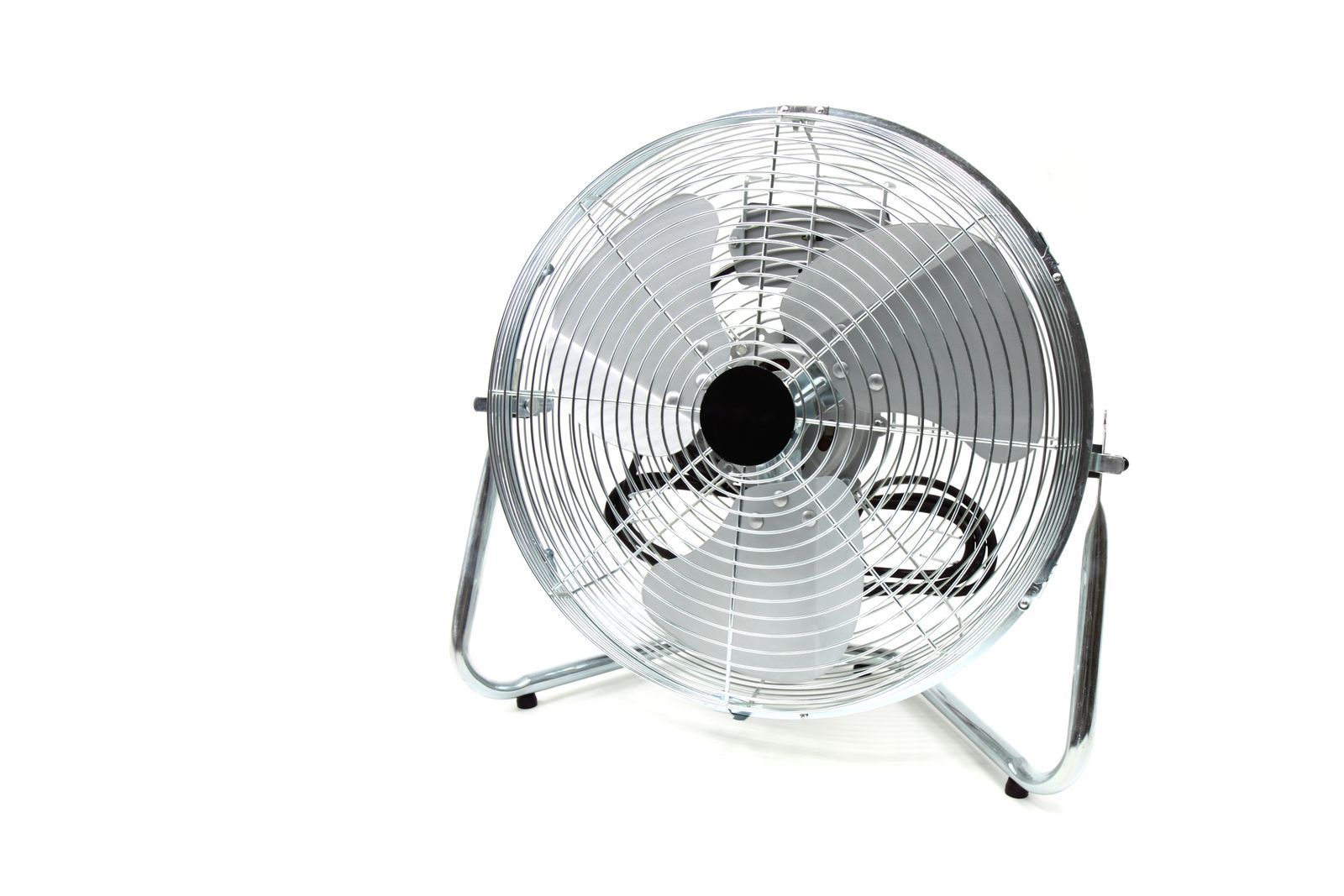
Air movers are low, loud fans that push air across wet floors and walls. Moving air speeds up evaporation from surfaces.
Dehumidifiers pull the evaporated water back out of the air and send it down a drain hose or into a tank. Without them, the room gets humid and drying stalls.
Wall cavity drying. When drywall can stay, providers may drill small holes near the bottom of the wall, often behind the baseboard, and push air into the cavity.
Containment. Plastic sheeting can close off the wet area so the dehumidifiers work on a smaller space.
Two situations come before drying. If the water came from a toilet, drain or sewer line, cleaning has to happen first; see sewage backup cleanup. If mold is already growing, the joint EPA and CDC cleanup guide warns that fans may spread it, so mold remediation comes first.
How long drying takes
There’s no fixed number. It depends on:
- How much water there was and how long it sat before extraction.
- What got wet. Concrete holds moisture longer than drywall does.
- Whether soaked materials like carpet pad and swollen baseboards were removed.
- The weather, especially humidity during the monsoon.
- Whether the equipment runs without interruption.
After a slab leak, for example, the concrete may need extra time before new flooring can go down over it.
The provider should take readings every day and adjust or move equipment as areas dry. If readings stop improving, ask why. It can mean the leak isn’t fully fixed, or that water is trapped somewhere nobody has opened up.
When materials come out instead
Some materials can be dried. Others can’t, or can’t be dried in time. The EPA’s material-by-material table for clean water damage is a useful starting point:
- Drywall may be dried in place if there’s no obvious swelling and the seams are intact. If not, remove and replace it. The EPA also says to ventilate the wall cavity if possible.
- Insulation and ceiling tiles should be thrown out and replaced.
- Carpet should be dried within 24 to 48 hours, and the subfloor under it has to be cleaned and dried too.
- Upholstered furniture may be hard to dry completely before the 48-hour mark.
Swollen particleboard, common in cabinet bases, and swollen laminate flooring usually can’t be saved. The table covers clean water only. For sewage or other contaminated water, the EPA advises calling a professional with experience in contaminated-water cleanup.
Keep a drying record
Arizona’s Department of Insurance and Financial Institutions suggests keeping a log of times, dates, names of technicians and the equipment used, such as dehumidifiers, air movers and moisture detectors. Ask the provider for:
- Daily moisture readings for each affected room.
- Photos of the wet areas, the equipment and any materials removed.
- The number and type of machines on site each day.
- Final readings showing each material reached its goal.
That record helps with an insurance claim. It also helps if a musty smell or stain shows up months later, and you need to know which areas got wet and how they were dried.